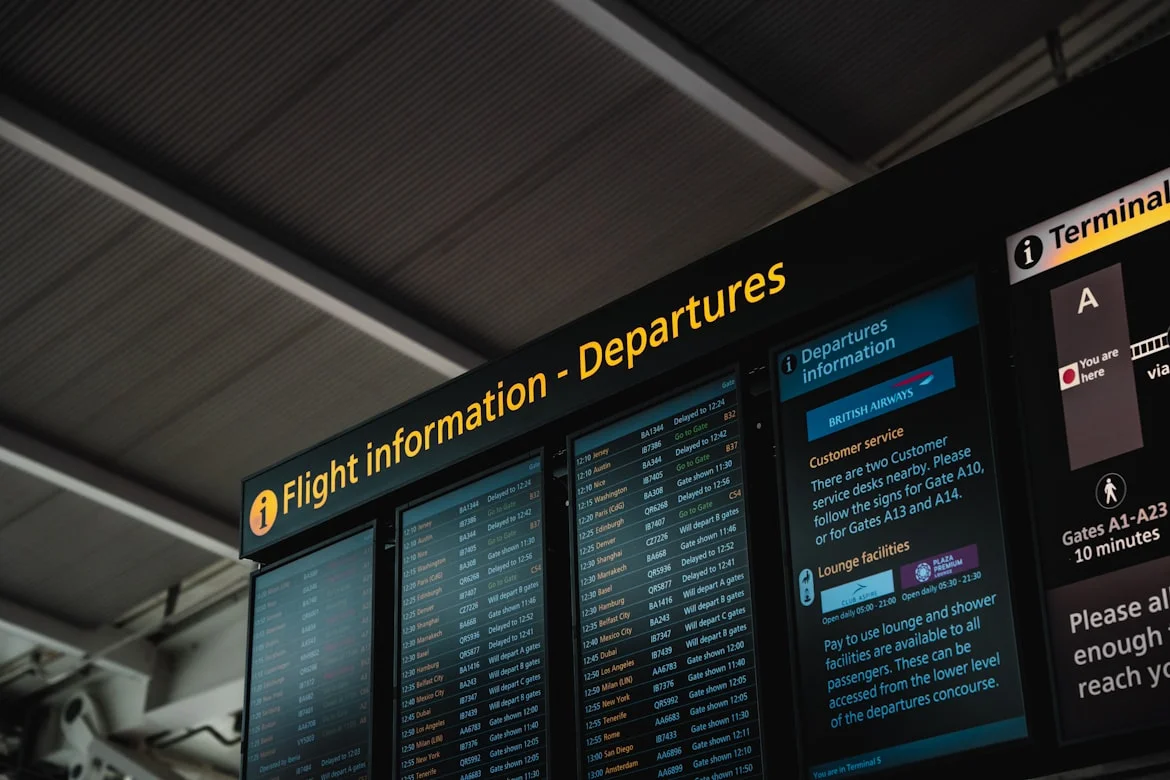
"Tourism demand doesn't appear overnight. The signals are there for businesses that know where to look."
Why Understanding Demand Matters
Tourism businesses often face challenges such as:
- Fluctuating visitor volumes
- Seasonal demand swings
- Resource allocation decisions
- Marketing budget optimization
Analytics helps reduce uncertainty by providing greater visibility into travel behavior.
Key Data Sources
Booking Trends
Analyze reservation activity.
Destination Popularity
Monitor interest across locations.
Travel Search Patterns
Identify emerging demand.
Seasonal Trends
Understand recurring travel cycles.
Traveler Preferences
Track changing consumer behavior.
How Techdataseeders Helps
Techdataseeders helps travel organizations analyze:
- Travel market intelligence
- Booking trends
- Destination analytics
- Tourism demand patterns
- Competitive insights
- Consumer behavior data
Practical Example
A regional tourism operator noticed declining bookings in one destination while nearby locations continued growing.
Travel analytics revealed increasing demand for eco-tourism experiences.
The organization adjusted its marketing strategy and product offerings to align with traveler interests.
Conclusion
Tourism businesses that understand demand patterns are better positioned to optimize marketing, improve resource planning, and identify growth opportunities.
Data-driven decision-making is becoming a key competitive advantage in the travel industry.
FAQs About Travel Data Analytics for Tourism Businesses
Travel data analytics is the process of collecting and analyzing tourism data such as bookings, customer behavior, seasonal demand, pricing, destinations, and market trends. It helps tourism businesses identify demand patterns, forecast future bookings, improve pricing decisions, and create more personalized experiences for travelers.
Travel data analytics helps businesses identify when, where, and why customers travel. By analyzing historical bookings, search behavior, seasonal trends, and customer preferences, businesses can predict demand more accurately. This allows hotels, travel agencies, tour operators, and destination businesses to plan inventory, staffing, marketing, and pricing around expected demand.
The key benefits include better demand forecasting, smarter pricing, improved marketing performance, higher customer engagement, and more efficient resource planning. Tourism businesses can use data insights to identify profitable customer segments, reduce operational waste, respond to changing travel trends, and make business decisions based on measurable patterns rather than assumptions.
Travel data analytics is useful for hotels, resorts, airlines, travel agencies, tour operators, online travel companies, destination management organizations, and tourism technology providers. Any business that collects customer, booking, pricing, or destination data can use analytics to understand demand, improve operations, identify revenue opportunities, and deliver more relevant travel experiences.
Traditional reporting mainly explains what happened, such as past bookings or revenue. Travel data analytics goes further by identifying patterns and predicting what may happen next. Businesses can use predictive analytics to forecast demand, understand customer behavior, optimize pricing, and make proactive decisions instead of simply reviewing historical performance.
Useful data can include historical bookings, cancellations, room or seat availability, prices, destination searches, customer demographics, booking channels, seasonality, and travel trends. Combining multiple data sources provides a more complete view of demand and helps tourism businesses build more reliable forecasts for planning and revenue management.
Techdataseeders can help tourism businesses turn complex travel data into actionable insights through data analytics solutions. These insights can support demand forecasting, customer analysis, trend identification, and business decision-making. Businesses can use analytics to better understand their markets and make data-driven decisions that support growth and operational efficiency.
Businesses should evaluate data accuracy, scalability, integration capabilities, reporting features, predictive analytics, security, and the ability to customize insights for their industry. It is also important to choose a provider that understands tourism-specific challenges, such as seasonality, changing demand, multiple booking channels, pricing, and customer behavior.